
By Ellen Wilkinson
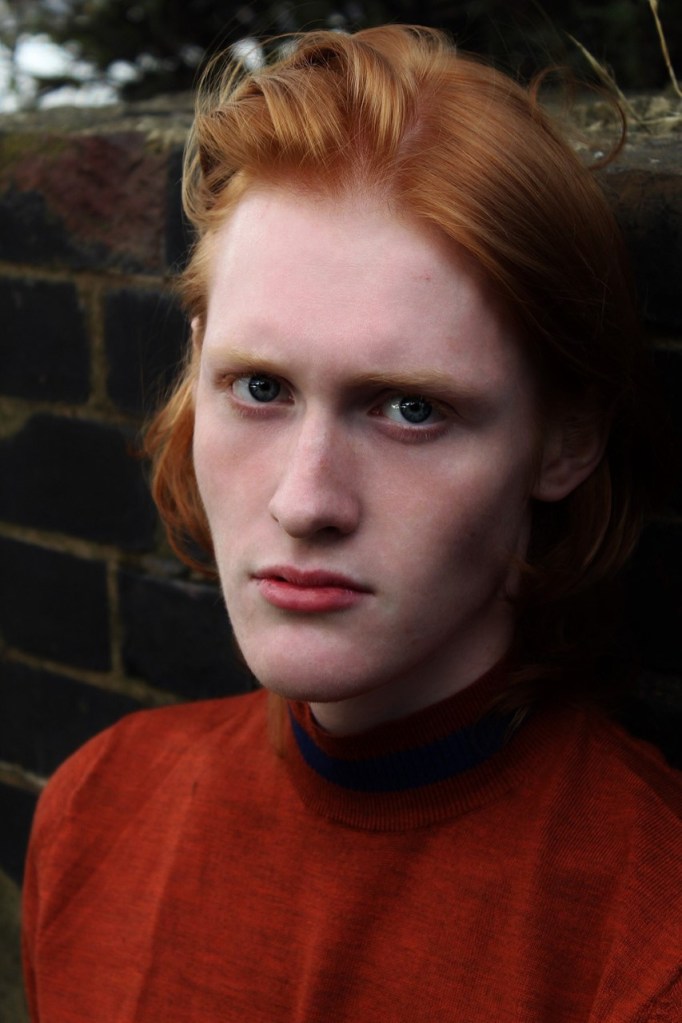
Will’s desire to compose started early on, as he recalls strumming chords and writing basic songs on the guitar at age four. His affinity with vocal music also emerged young, and after singing in the internationally renowned Trinity Boys Choir he had a range of professional opportunities, including performing the role of Miles in Britten’s The Turning of the Screw and having solo features in the soundtrack of The Hunger Games. He is now in his final year of an undergraduate degree in composition at the Royal Academy of Music, and I meet him in a corner of the conservatoire’s library to discuss his latest one-act opera, The Prisoner, which premiered in January 2023 as part of RAM’s annual Student Create Festival.
When asked why he chose composition over singing as a long-term route, Will laughs and explains that he isn’t sure he could stick to a rigorous practice routine.
“Composing has always been the thing I enjoy the most, because it is such a wonderful feeling to write something and hear it performed live – I am a creative control freak! I have always loved opera because it ties together several of my interests: theatre, philosophy, exploring a narrative, and vocal writing.”
What is the premise of The Prisoner?
“The premise is a man on death row who is executed at the end of the opera. It explores the characters around him: the guard, who derives sadistic pleasure from the prisoner’s confinement; a young, idealistic lawyer who is against the death penalty but arrogant about her abilities, and a priest who is struggling to reconcile his teachings of universal forgiveness with the prisoner’s horrific crimes.
It is a psychological and philosophical assessment of the way the characters respond to the situation. I have a clear idea of what the prisoner’s crime is – it is something fairly horrific, he isn’t Jean Valjean – but I have left the specifics open.”
What did you want audiences to leave thinking or feeling?
“I wanted to make the audience sympathise with an outsider – think Britten’s Peter Grimes. At the opera’s heart is a religious theme of forgiveness, something I think society is increasingly struggling to do. I am concerned that the promotion of ‘cancel culture’ is limiting open conversation and opportunities to learn, as it leans into the idea that people are irredeemably evil and deserve punishment, rather than exploring the context in which they grew up and their access to different kinds of education. Sparking these conversations in the context of an absurdist opera leaves room for reflection about the role of forgiveness today.
In terms of feeling, the best response that people have to my music is that they feel moved by it. There is a great sense of success when someone who doesn’t typically go to the opera says that my work impacted them emotionally.”
Do you think it is important to make new opera ‘accessible’ to different kinds of audiences? What does that word mean to you?
“Any art form has to evolve – if it doesn’t it dies. It is important to write something with relevant themes for an audience today, but I think there is sometimes too much drive towards innovating the core of what is already a very successful art form. It is definitely interesting to look at new ways of staging opera, such as incorporating technology or performing in an accessible space such as a car park, but I don’t think there is anything wrong with saying that opera is primarily with an orchestra in a pit.
I believe that writing opera in English and developing a gripping plot are more sustainable solutions to engaging modern audiences. Accessibility has to come from the content rather than the staging.”
Do you have musical inspirations for your work? Are you aiming to cultivate a style?
“I think a ‘style’ is something that comes to you over time, sometimes decades. My big influences are Britten, Stravinsky, Bartók and Berg, and I am particularly interested in the interwar period because I find the music very listenable while remaining interesting. For me, music is a visceral rather than an intellectual experience; if I’m not engaging my audience emotionally, I don’t really see what my point is.
Long-term, whilst opera is my focus, I would love to explore symphonic music, as well as choral writing and song-setting.”
And the next steps for The Prisoner?
“The opera is going to be performed again in the summer – venue and date TBD! I am looking into fundraising to explore enhancing the staging. I am hoping to have the same performers involved, as cultivating long-term creative relationships is really important to me. I hope to continue working with The Prisoner’s team long into the future.”

 RAMpage